
Furniture and Musical Instrument Coating Production Lines
1. Introduction
Furniture and musical instruments demand high – quality coating for aesthetics, durability, and functionality. Their coating production lines are customized to meet specific needs.
2. Surface Preparation
A. Furniture
- Sanding: Start with coarse – grit sandpaper to remove flaws and old finishes on wooden furniture, then use finer – grits for a smooth surface. For instance, a tabletop may need 80 – grit followed by 180 – 220 – grit sandpaper.
- Staining (Optional): Apply stains to achieve desired color tones. Water – based, oil – based, or gel stains can be chosen according to the effect. An oil – based stain can enhance the rustic look of a wooden chair.
- Priming: A primer is essential for better paint adhesion, moisture protection, and color uniformity. Alkyd – based primers are common for hardwood furniture.
B. Musical Instruments
- Wooden Instruments: High – precision sanding with ultra – fine sandpapers (400 – 600 – grit) is crucial. Sealers are often used instead of primers for a natural finish. Nitrocellulose sealers are popular for acoustic guitars.
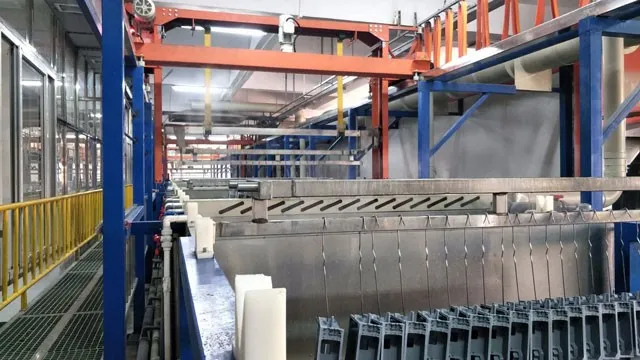
- Brass and Metal Instruments: Clean thoroughly to remove residues, then apply a metal – specific primer. Epoxy – based primers offer good adhesion and corrosion resistance for brass instruments.
3. Coating Application
A. Spraying Methods
- Furniture
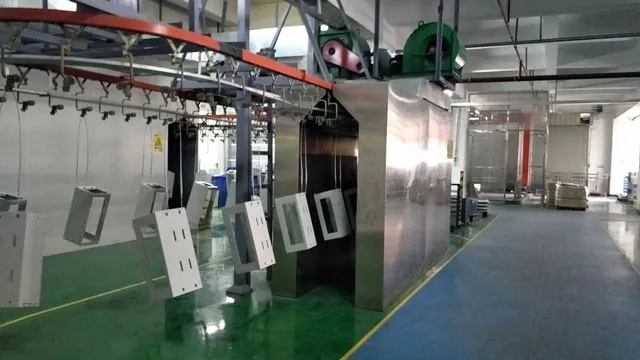
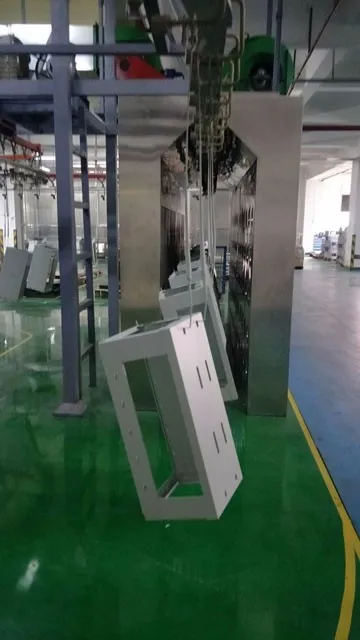
- Air – Spraying: Ideal for large – scale production, it provides a smooth and even finish. Automatic air – spray guns on conveyor systems are commonly used in furniture factories.
- HVLP Spraying: Minimizes overspray and is used for high – end finishes on luxury furniture, like hand – crafted dining sets.
- Musical Instruments
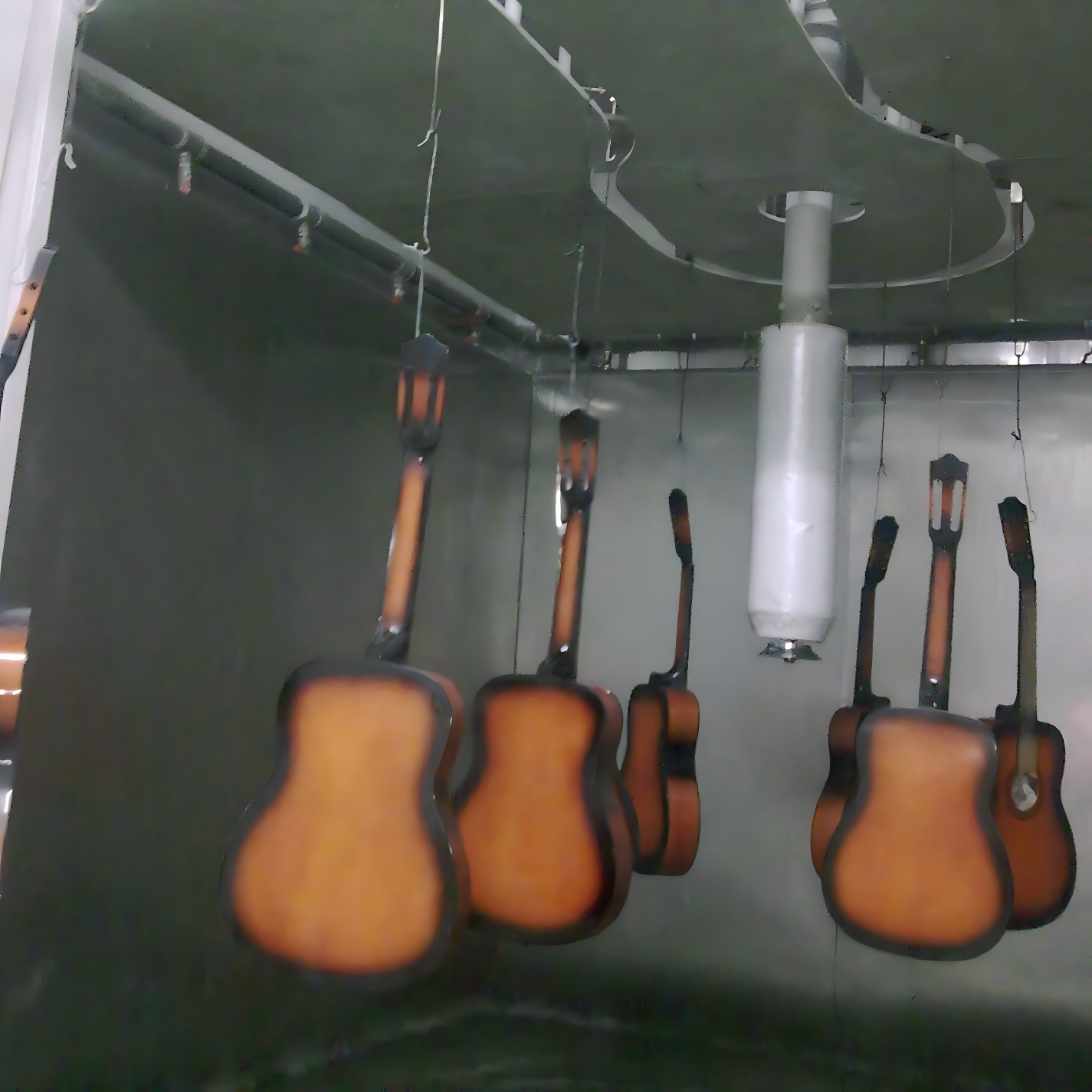
- Spray – on Lacquers: Nitrocellulose lacquers are widely used for wooden instruments to enhance resonance and appearance. Multiple thin coats are applied with light sanding in between.
- Electrostatic Spraying (for Metal Instruments)**: Ensures even coating and better coverage on complex shapes. It’s suitable for brass instruments like trumpets.
B. Hand – Application Methods
- Furniture: Brushing is used for certain stains or waxes, giving a textured look. French polishing creates a high – gloss finish on high – end furniture.
- Musical Instruments: Hand – rubbed finishes using oils or waxes are applied to high – end or custom – made instruments for a unique feel.
4. Drying and Curing
A. Furniture
- Natural Drying: Suitable for small – scale workshops or water – based finishes. It can be slow, especially in humid conditions.
- Forced Air Drying: Used in larger facilities to speed up the drying process. Fans or blowers are used to circulate air.
- Heat Curing: Some lacquers require heat curing in ovens or heated chambers with controlled temperature and time.
B. Musical Instruments
- Slow Drying for Wood Instruments: Wooden instruments need slow, controlled drying in a climate – controlled environment to prevent warping and ensure sound quality.
- Curing for Metal Instruments: Metal instruments with painted surfaces may require heat curing at specific temperatures and times.